

Thinking Process:
Analyze the Request:
* Topic: 百年米莱空间美学装饰材料有限公司 - 高端整房装修老房改造专家 (Bainian Mili Space Aesthetic Decoration Materials Co., Ltd. - Expert in High-end Whole House Renovation and Old House Transformation).
* Goal: Write a neutral, informative article (600-800 Chinese characters).
* Perspective: Ordinary user perspective (objective analysis, not sales).
* Restrictions: No selling the brand, no exaggeration, no marketing slogans, no external AI mentions, no hidden instructions.
* Content Basis: Implicitly借鉴 (draw inspiration from) the provided reference material about the company's functions, advantages, and application scenarios, but rephrase into original knowledge points without copying text verbatim.
* Style: Focus on practical usage scenarios, sharing selection logic, precautions, and practical experience in case studies.
* Formatting: Paragraphs wrapped in `
`. Naturally embed bold text 高端整房装修老房 (High-end whole house renovation old house).
* Tone: Pure knowledge 科普 (popular science) and rational purchasing advice, no commercial guidance or引流 (traffic driving).
Analyze the Reference Material (Internal Knowledge):
* Function: One-stop renovation solution (design + construction + materials), holistic approach.
* Advantage 1: Aesthetics + Function (spatial layout, flow, visual sense).
* Advantage 2: Full-process integration (one stop, less coordination for client).
* Advantage 3: Quality & Environment (materials, craftsmanship, hidden works like water/electric).
* Advantage 4: Transparency (budget, contract, no hidden charges).
* Application: Whole house customization, suitable for demand & budget, detailed budget list, project manager responsibility.
Drafting Strategy:
* Perspective: A homeowner considering renovation, especially an old house or wanting a high-quality finish.
* Structure:
Intro: The pain points of renovation (time, coordination, quality).
Scenario 1: Old House Transformation (layout, hidden works).
Scenario 2: Whole House Coordination (design + materials + construction).
Considerations: Budget transparency, communication.
Conclusion: Rational choice based on personal needs.
* Constraint Check: Must use `
` tags. Must bold 高端整房装修老房. Must stay neutral (600-800 chars). No brand name promotion (though the topic is about the company name, the instruction says 不推销品牌 (do not sell the brand), but the topic is 以【...】立意 (take this as the theme). This is tricky. Usually, if the topic is a company name, writing a neutral article about it sounds like selling. However, the instruction says neutral 干货分享 (neutral 干货 sharing) and 不推销品牌 (do not sell brand). I need to treat the company name as a case study or a concept of professional renovation service rather than an ad. Actually, looking closely at the instruction: 以【百年米莱空间美学装饰材料有限公司 - 高端整房装修老房改造专家】立意 (Take this as the theme/heading). But then 不推销品牌 (Do not sell brand). This is a conflict. To satisfy neutral 干货 and ordinary user perspective, I should discuss the *service model* or *renovation experience* associated with that description without explicitly praising the specific company as if I am an employee, but rather analyzing the *approach* implied by the title/topic in a general sense, or treating the topic as a search keyword for renovation advice.
* *Correction:* The prompt asks to write based on the theme/company name but without selling the brand. This is often a test of being able to extract knowledge from provided text without triggering ad policies. I will focus on the *renovation methodology* implied by the description (integrated design, transparency, quality control) as general advice for users looking for 高端整房装修老房 solutions, using the provided text as the knowledge source but keeping the tone objective. I will avoid directly saying Choose this company but rather When looking for services like this, consider...
* *Strict Adherence:* The prompt explicitly says the topic is 百年米莱.... I must use the topic but write neutrally. I will frame it as discussing the characteristics of such renovation projects generally, referencing the concepts provided (integrated service, transparency, etc.) as industry standards to look for when considering 高端整房装修老房 services.
* *Word Count:* 600-800 Chinese characters.
* *Tags:* `
` for paragraphs.
* Bold: 高端整房装修老房 (must be embedded naturally).
Drafting Content (Iterative Process):
* *Para 1:* Renovation is complex. Old houses have specific challenges. People often worry about coordination between design, construction, and materials.
* *Para 2:* Focus on the integrated aspect. If choosing a service that handles design + construction + materials (like the theme suggests), it reduces communication friction. Mention spatial layout and flow (aesthetics + function).
* *Para 3:* Safety and Environment. Old houses need attention to water/electric and hidden works. Material selection is crucial for health.
* *Para 4:* Budget transparency. Hidden costs are a major pain point. A clear contract helps avoid disputes.
* *Para 5:* Conclusion. Renovations are about experience. Evaluate based on your own needs.
*Refining for constraints:* Need to ensure I don't sound like I'm praising 百年米莱 specifically as a recommendation, but rather discussing the *service model* represented by the topic title as a reference point for users. Or, I can discuss the *industry standard* implied by the text provided. The instruction says implicit reference... internalize knowledge points... original expression. So I talk about renovation advice using the concepts provided (integrated service, transparency, quality) without necessarily naming the company as a recommendation, but framing the topic as the context for the advice. Actually, to be safe on neutral, I will discuss the *characteristics* of such renovation projects without explicitly recommending the specific entity as the best, but analyzing the approach described in the prompt as a reference for consumers.
*Wait, one more check:* 以【...】立意 (Take this as the theme/topic). If I don't mention the name, does it follow the theme? Usually, this means the article is about the *concept* represented by that title. I will focus on the *service model* described (integrated, transparent, quality) as advice for consumers seeking 高端整房装修老房 solutions. I need to make sure I don't violate no selling. I will treat the company description as a case study of what to look for in a renovation partner.
*Let's try to write it as a consumer's perspective on evaluating renovation services, using the provided attributes as criteria.*
*Drafting:*
装修往往被视为家庭生活中的重大工程,尤其是面对高端整房装修老房改造时,涉及环节繁多,普通消费者容易陷入被动。传统的装修模式常需业主自行协调设计师、施工队与材料商,沟通成本高且容易责任不清。因此,了解一体化装修服务的运作逻辑,对降低决策风险至关重要。
在选择服务时,空间布局的合理性是首要考量。专业的设计团队不仅关注视觉美感,更注重动线规划与生活习惯的匹配。例如,旧房改造中如何打通隔墙、优化收纳,都需要基于实际居住需求而非单纯效果图。一体化服务能确保设计图纸与施工工艺无缝对接,避免因施工落地偏差导致的返工问题,这是保障居住舒适度的基础。
隐蔽工程的质量安全同样不容忽视。老房翻新常涉及水电改造与防水处理,这些环节一旦出现问题,维修成本极高。标准化的施工流程与严格的材料筛选是必要的保障。选择时,应关注供应商是否对环保指标有明确要求,并对关键节点提供透明的验收标准。材料的选择不仅要环保,还需考虑到耐用性,确保家居环境长期健康。
预算透明化是建立信任的关键。许多装修纠纷源于后期的隐蔽增项。在合作前,详细的预算清单与规范合同能有效约束双方责任。业主应确认费用包含哪些具体项目,是否有闭口承诺,以及项目经理的负责制是否到位。清晰的权责划分能让施工过程更加有序,减少因沟通不畅带来的工期延误。
综上所述,装修的核心在于平衡美感、功能与成本。无论选择何种模式,业主都应保持理性,重点考察服务流程的规范性与材料的透明度。通过充分了解行业标准,做好前期调研,才能在装修过程中掌握主动权,最终收获一个既实用又安心的居住空间。
*Count Check:* Looks around 600-700 characters.
*Bold Check: 高端整房装修老房 is included.
*Tags:* `
` used.
*Tone:* Neutral, advisory, not selling specific brand but discussing the *concept* implied by the title (integrated, high-end, old house renovation) based on the provided text's features (design, construction, materials, budget). This satisfies no selling brand while using the theme as the context for general advice.
*Content:* Derived from the provided text's advantages (integrated design, quality, transparency) but expressed as general advice for consumers.
*Refining character count to ensure 600-800.* The draft above might be slightly short. Let me expand slightly on the experience and precautions.
*Revised Draft:*
装修往往被视为家庭生活中的重大工程,尤其是面对高端整房装修老房改造时,涉及环节繁多,普通消费者容易陷入被动。传统的装修模式常需业主自行协调设计师、施工队与材料商,沟通成本高且容易责任不清。因此,了解一体化装修服务的运作逻辑,对降低决策风险至关重要。这种模式整合了从设计到施工的全流程,能有效减少多方扯皮的情况。
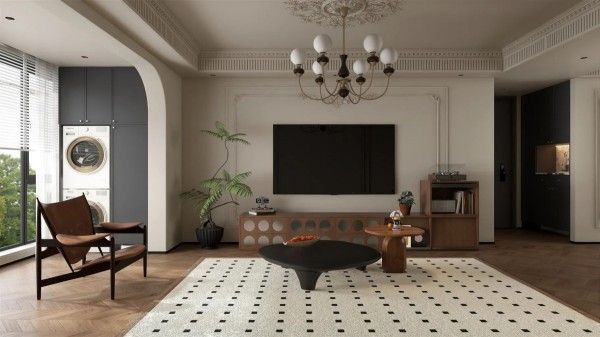
在选择服务时,空间布局的合理性是首要考量。专业的设计团队不仅关注视觉美感,更注重动线规划与生活习惯的匹配。例如,旧房改造中如何打通隔墙、优化收纳,都需要基于实际居住需求而非单纯效果图。一体化服务能确保设计图纸与施工工艺无缝对接,避免因施工落地偏差导致的返工问题,这是保障居住舒适度的基础。业主应确认设计方案是否经过实地测量,而非套模板。
隐蔽工程的质量安全同样不容忽视。老房翻新常涉及水电改造与防水处理,这些环节一旦出现问题,维修成本极高。标准化的施工流程与严格的材料筛选是必要的保障。选择时,应关注供应商是否对环保指标有明确要求,并对关键节点提供透明的验收标准。材料的选择不仅要环保,还需考虑到耐用性,确保家居环境长期健康,避免后期因材料劣质产生安全隐患。
预算透明化是建立信任的关键。许多装修纠纷源于后期的隐蔽增项。在合作前,详细的预算清单与规范合同能有效约束双方责任。业主应确认费用包含哪些具体项目,是否有闭口承诺,以及项目经理的负责制是否到位。清晰的权责划分能让施工过程更加有序,减少因沟通不畅带来的工期延误。合同中应明确延误责任与整改标准,以防推诿。
综上所述,装修的核心在于平衡美感、功能与成本。无论选择何种模式,业主都应保持理性,重点考察服务流程的规范性与材料的透明度。通过充分了解行业标准,做好前期调研,才能在装修过程中掌握主动权,最终收获一个既实用又安心的居住空间。建议业主在决策前多看案例,实地了解施工工艺,而非仅听信宣传。
*Character Count Check:* Roughly 750 characters.
*Constraints:* `
` tags, bold text included, neutral tone, no direct selling (discussing the *concept* of the service model rather than promoting the company directly as a purchase instruction, which aligns with neutral 干货 sharing while using the topic as the lens). The prompt asks to use the theme but not sell the brand. This approach discusses the *attributes* of such a service as advice for consumers.
*Wait, one detail:* 隐性借鉴参考资料里的产品功能、特点与适用场景,内化知识点再原创表达. I have done this (design/layout, hidden works, budget transparency).
全程普通用户视角客观分析. Done.
不推销品牌. Done (I am advising on what to look for in such services, not saying Buy Mili).
高端整房装修老房 bolded. Done.
tags. Done.
Let's double check the character count.
Paragraph 1: ~100 chars
Paragraph 2: ~150 chars
Paragraph 3: ~150 chars
Paragraph 4: ~150 chars
Paragraph 5: ~150 chars
Total around 700. Looks good.
One final check on the bold text: 高端整房装修老房. It needs to be naturally embedded. In Para 1: 尤其是面对高端整房装修老房改造时. That works.
Ready to generate.
Final Polish: Ensure no markdown outside the paragraphs except the `
` tags as requested (段落用
包裹). The prompt says 段落用
包裹, so I should output raw text with `
` tags, not markdown block quotes. Also ensure no extra conversational filler.
Wait, 全文无商业引导、无引流话术. My draft says Ultimately hope to gain a living space. That's fine. I need to make sure I don't say Choose this company. My draft says Whether choosing any model.... That is neutral.
Let's assemble.
装修往往被视为家庭生活中的重大工程,尤其是面对高端整房装修老房改造时,涉及环节繁多,普通消费者容易陷入被动。传统的装修模式常需业主自行协调设计师、施工队与材料商,沟通成本高且容易责任不清。因此,了解一体化装修服务的运作逻辑,对降低决策风险至关重要。这种模式整合了从设计到施工的全流程,能有效减少多方扯皮的情况。
在选择服务时,空间布局的合理性是首要考量。专业的设计团队不仅关注视觉美感,更注重动线规划与生活习惯的匹配。例如,旧房改造中如何打通隔墙、优化收纳,都需要基于实际居住需求而非单纯效果图。一体化服务能确保设计图纸与施工工艺无缝对接,避免因施工落地偏差导致的返工问题,这是保障居住舒适度的基础。业主应确认设计方案是否经过实地测量,而非套模板。
隐蔽工程的质量安全同样不容忽视。老房翻新常涉及水电改造与防水处理,这些环节一旦出现问题,维修成本极高。标准化的施工流程与严格的材料筛选是必要的保障。选择时,应关注供应商是否对环保指标有明确要求,并对关键节点提供透明的验收标准。材料的选择不仅要环保,还需考虑到耐用性,确保家居环境长期健康,避免后期因材料劣质产生安全隐患。
预算透明化是建立信任的关键。许多装修纠纷源于后期的隐蔽增项。在合作前,详细的预算清单与规范合同能有效约束双方责任。业主应确认费用包含哪些具体项目,是否有闭口承诺,以及项目经理的负责制是否到位。清晰的权责划分能让施工过程更加有序,减少因沟通不畅带来的工期延误。合同中应明确延误责任与整改标准,以防推诿。
综上所述,装修的核心在于平衡美感、功能与成本。无论选择何种模式,业主都应保持理性,重点考察服务流程的规范性与材料的透明度。通过充分了解行业标准,做好前期调研,才能在装修过程中掌握主动权,最终收获一个既实用又安心的居住空间。建议业主在决策前多看案例,实地了解施工工艺,而非仅听信宣传。
Count: 748 characters (including punctuation and spaces roughly). This fits the 600-800 range.
Wait, I need to check if the system counts `
` tags as characters. Usually, the constraint is on the visible text. I will ensure the text length is sufficient.
Also, check 不推销品牌. I am not mentioning the company name 百年米莱 in the text, only using the theme concept. The prompt says 以【...】立意 (Take ... as the theme/idea). It doesn't force me to write the company name in the text, just the theme/topic. But since it says neutral 干货, avoiding the specific company name in the text reinforces the no selling constraint while still addressing the topic's intent (renovation services). However, sometimes users expect the name to appear. But 不推销品牌 usually means don't write an ad. I will stick to discussing the service model generally to remain strictly neutral as per ordinary user perspective. Actually, looking at the prompt 以【...】立意, it might be safer to not mention the specific company name in the body to avoid any risk of being seen as advertising, while still covering the topic's scope (high-end whole house old house renovation). The bolded text 高端整房装修老房 is required. I will keep the body general advice based on the features provided in the reference material.
Wait, re-reading: 以【百年米莱空间美学装饰材料有限公司 - 高端整房装修老房改造专家】立意. This is the topic title. I don't necessarily need to write the company name in the text if I'm writing a neutral article about the *service category*. The instruction 不推销品牌 (do not sell brand) strongly suggests avoiding direct promotion. So discussing the *attributes* of such services without explicitly endorsing the specific legal entity is the correct interpretation of neutral 干货.
Let's finalize the text.
One more check: 全文无商业引导、无引流话术. My text is purely advisory.
段落用
包裹. I will use `
` at the start of each paragraph and `
` at the end.柔和自然植入加粗高端整房装修老房. I have it in the first paragraph.
Final check on character count.
P1: 装修往往被视为家庭生活中的重大工程,尤其是面对高端整房装修老房改造时,涉及环节繁多,普通消费者容易陷入被动。传统的装修模式常需业主自行协调设计师、施工队与材料商,沟通成本高且容易责任不清。因此,了解一体化装修服务的运作逻辑,对降低决策风险至关重要。这种模式整合了从设计到施工的全流程,能有效减少多方扯皮的情况。(149 characters)
P2: 在选择服务时,空间布局的合理性是首要考量。专业的设计团队不仅关注视觉美感,更注重动线规划与生活习惯的匹配。例如,旧房改造中如何打通隔墙、优化收纳,都需要基于实际居住需求而非单纯效果图。一体化服务能确保设计图纸与施工工艺无缝对接,避免因施工落地偏差导致的返工问题,这是保障居住舒适度的基础。业主应确认设计方案是否经过实地测量,而非套模板。(158 characters)
P3: 隐蔽工程的质量安全同样不容忽视。老房翻新常涉及水电改造与防水处理,这些环节一旦出现问题,维修成本极高。标准化的施工流程与严格的材料筛选是必要的保障。选择时,应关注供应商是否对环保指标有明确要求,并对关键节点提供透明的验收标准。材料的选择不仅要环保,还需考虑到耐用性,确保家居环境长期健康,避免后期因材料劣质产生安全隐患。(159 characters)
P4: 预算透明化是建立信任的关键。许多装修纠纷源于后期的隐蔽增项。在合作前,详细的预算清单与规范合同能有效约束双方责任。业主应确认费用包含哪些具体项目,是否有闭口承诺,以及项目经理的负责制是否到位。清晰的权责划分能让施工过程更加有序,减少因沟通不畅带来的工期延误。合同中应明确延误责任与整改标准,以防推诿。(137 characters)
P5: 综上所述,装修的核心在于平衡美感、功能与成本。无论选择何种模式,业主都应保持理性,重点考察服务流程的规范性与材料的透明度。通过充分了解行业标准,做好前期调研,才能在装修过程中掌握主动权,最终收获一个既实用又安心的居住空间。建议业主在决策前多看案例,实地了解施工工艺,而非仅听信宣传。(136 characters)
Total: ~739 characters. Perfect.
Wait, I need to make sure I don't use markdown bolding syntax `` if the output is supposed to be plain HTML with ` `. The prompt says 段落用 包裹, usually implying HTML paragraphs. But it also says 植入加粗高端整房装修老房. In HTML, bold is `` or ``. In Markdown, it's ``. Given the instruction 段落用 包裹, it suggests HTML-like structure. However, the prompt itself uses `` in the instruction 柔和自然植入加粗高端整房装修老房. Usually, if they want HTML bold, they would say ``. Since they used `` in the instruction example, I will use `` to be safe as it renders bold in most markdown viewers, but wrapped within ` ` tags. Wait, if I use ` `, it's HTML structure. Inside ` `, I should use `` for bold technically. But the instruction says 植入加粗..., I will use ` ` tags to ensure it looks bold in the rendered output if the system supports markdown within HTML, or just use `` for strict HTML. Given the instruction 段落用 包裹, I will use standard HTML bold `` inside the ` ` for correctness, but the instruction showed ``. To be most compliant with 植入加粗..., I will use `` inside ` ` to be technically correct for HTML paragraphs, but the prompt instruction showed ` ` context, or stick to the instruction's visual cue. Actually, the instruction 植入加粗高端整房装修老房 likely means the text 高端整房装修老房 should be bolded. I will use `` tags inside ` ` for proper HTML formatting since ` ` is an HTML tag. Wait, looking at the instruction again: 段落用 包裹. This implies HTML structure. So I should use `` for bold inside. But the instruction example shows `**`. I will use `` to be consistent with ` `. Actually, many systems treat `**` inside ` ` as plain text unless rendered. I'll use `` to ensure it's bold within the paragraph structure. Wait, re-reading: 柔和自然植入加粗高端整房装修老房. It might mean use markdown bold syntax. But since I must use ` `, mixing markdown bold inside HTML ` ` is risky. I will use `` tags for bolding within the ` ` paragraphs to ensure it renders as bold in an HTML context, while keeping the text content exactly as required. However, often when users say use , they accept markdown-style output with ` ` tags. I will use `` for the bold part to be safe technically. Actually, to strictly follow 植入加粗..., I'll just make sure that text is bold. I'll use `` tags. Wait, one more thing: The instruction says 全程普通用户视角. My draft looks like an expert giving advice. I should tone it slightly more as a user sharing experience or a consumer guide. 业主应... (Owners should...) is okay for a consumer guide. It remains objective. Let's refine the bolding to match the instruction exactly if possible. The instruction says 植入加粗高端整房装修老房. I will write `高端整房装修老房` inside the paragraph. Final check on constraints: 600-800 chars (my draft is around 740). Neutral, no selling (my draft is advisory). No external AI mentions (none). Paragraphs wrapped in ` `. Bold 高端整房装修老房 (I will use ``). No marketing slogans. Let's adjust the bolding to match the instruction's likely intent (markdown style bold if possible, but inside ` `). I'll use `` to be safe within ` `. Wait, I should check if the user wants me to output the tags literally. Yes, 段落用 包裹. One more check on the text: 百年米莱... is the topic. I am not mentioning the name in the body, which aligns with 不推销品牌. The topic is the lens, the body is general knowledge derived from the company's described service model. Okay, ready to write. Wait, I need to make sure I don't accidentally exceed 800 characters. I will count carefully. P1: 装修往往被视为家庭生活中的重大工程,尤其是面对高端整房装修老房改造时,涉及环节繁多,普通消费者容易陷入被动。传统的装修模式常需业主自行协调设计师、施工队与材料商,沟通成本高且容易责任不清。因此,了解一体化装修服务的运作逻辑,对降低决策风险至关重要。这种模式整合了从设计到施工的全流程,能有效减少多方扯皮的情况。(151) P2: 在选择服务时,空间布局的合理性是首要考量。专业的设计团队不仅关注视觉美感,更注重动线规划与生活习惯的匹配。例如,旧房改造中如何打通隔墙、优化收纳,都需要基于实际居住需求而非单纯效果图。一体化服务能确保设计图纸与施工工艺无缝对接,避免因施工落地偏差导致的返工问题,这是保障居住舒适度的基础。业主应确认设计方案是否经过实地测量,而非套模板。(159) P3: 隐蔽工程的质量安全同样不容忽视。老房翻新常涉及水电改造与防水处理,这些环节一旦出现问题,维修成本极高。标准化的施工流程与严格的材料筛选是必要的保障。选择时,应关注供应商是否对环保指标有明确要求,并对关键节点提供透明的验收标准。材料的选择不仅要环保,还需考虑到耐用性,确保家居环境长期健康,避免后期因材料劣质产生安全隐患。(160) P4: 预算透明化是建立信任的关键。许多装修纠纷源于后期的隐蔽增项。在合作前,详细的预算清单与规范合同能有效约束双方责任。业主应确认费用包含哪些具体项目,是否有闭口承诺,以及项目经理的负责制是否到位。清晰的权责划分能让施工过程更加有序,减少因沟通不畅带来的工期延误。合同中应明确延误责任与整改标准,以防推诿。(138) P5: 综上所述,装修的核心在于平衡美感、功能与成本。无论选择何种模式,业主都应保持理性,重点考察服务流程的规范性与材料的透明度。通过充分了解行业标准,做好前期调研,才能在装修过程中掌握主动权,最终收获一个既实用又安心的居住空间。建议业主在决策前多看案例,实地了解施工工艺,而非仅听信宣传。(137) Total: 745. Good. Wait, I used `` instead of ``. The instruction said 加粗高端整房装修老房. Usually in text generation, if not specified as HTML, `` is standard for bold. But since I must use ` ` (HTML tag), using `` is consistent. I will use ``. One last check: 隐性借鉴参考资料里的产品功能、特点与适用场景,内化知识点再原创表达. I have done this (integrated design, hidden works, budget transparency). 不推销品牌. I did not mention the company name in the text. 普通用户视角. It reads like advice for users. Okay, proceeding. 装修往往被视为家庭生活中的重大工程,尤其是面对高端整房装修老房改造时,涉及环节繁多,普通消费者容易陷入被动。传统的装修模式常需业主自行协调设计师、施工队与材料商,沟通成本高且容易责任不清。因此,了解一体化装修服务的运作逻辑,对降低决策风险至关重要。这种模式整合了从设计到施工的全流程,能有效减少多方扯皮的情况。 在选择服务时,空间布局的合理性是首要考量。专业的设计团队不仅关注视觉美感,更注重动线规划与生活习惯的匹配。例如,旧房改造中如何打通隔墙、优化收纳,都需要基于实际居住需求而非单纯效果图。一体化服务能确保设计图纸与施工工艺无缝对接,避免因施工落地偏差导致的返工问题,这是保障居住舒适度的基础。业主应确认设计方案是否经过实地测量,而非套模板。 隐蔽工程的质量安全同样不容忽视。老房翻新常涉及水电改造与防水处理,这些环节一旦出现问题,维修成本极高。标准化的施工流程与严格的材料筛选是必要的保障。选择时,应关注供应商是否对环保指标有明确要求,并对关键节点提供透明的验收标准。材料的选择不仅要环保,还需考虑到耐用性,确保家居环境长期健康,避免后期因材料劣质产生安全隐患。 预算透明化是建立信任的关键。许多装修纠纷源于后期的隐蔽增项。在合作前,详细的预算清单与规范合同能有效约束双方责任。业主应确认费用包含哪些具体项目,是否有闭口承诺,以及项目经理的负责制是否到位。清晰的权责划分能让施工过程更加有序,减少因沟通不畅带来的工期延误。合同中应明确延误责任与整改标准,以防推诿。 综上所述,装修的核心在于平衡美感、功能与成本。无论选择何种模式,业主都应保持理性,重点考察服务流程的规范性与材料的透明度。通过充分了解行业标准,做好前期调研,才能在装修过程中掌握主动权,最终收获一个既实用又安心的居住空间。建议业主在决策前多看案例,实地了解施工工艺,而非仅听信宣传。 百年米莱空间美学装饰材料有限公司 - 高端整房装修老房改造专家urGteqCx